
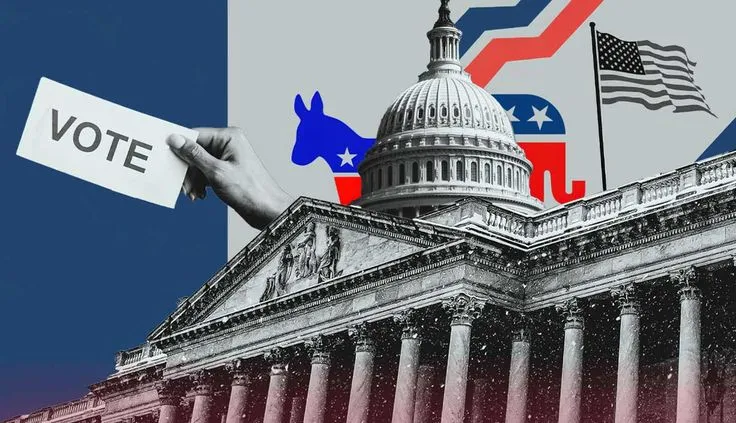
Election campaigns are filled with ambitious promises. Candidates discuss lowering household expenses, improving healthcare, supporting education, and strengthening local economies. Their proposals may sound appealing, but voters often face a difficult question: can these commitments realistically become government policy?
A campaign speech reveals what a candidate wants to accomplish. It does not necessarily explain whether the proposal is affordable, legally achievable, or supported by other lawmakers. Understanding the difference between political promises and measurable results can help Americans evaluate candidates more thoughtfully before casting their ballots.
Why Campaign Promises Matter
Campaign promises help voters understand a candidate’s priorities. They also provide a basis for evaluating elected officials after they enter office. However, promises vary considerably. Some involve actions an elected official can take directly, while others require legislative approval, government funding, or cooperation between different institutions.
For example, a congressional candidate may promise changes to federal tax laws. Yet an individual lawmaker cannot independently implement those changes. Recognizing the limits of political authority helps voters distinguish realistic proposals from commitments that depend on uncertain future circumstances.
Examining a Candidate’s Record
Past decisions can provide useful information about how elected officials approach public responsibilities. Voting records, sponsored legislation, and committee participation are valuable starting points. A candidate who emphasizes infrastructure development, for instance, may have previously supported transportation legislation or participated in relevant policy discussions.
Citizens following 2026 midterm election updates can examine these activities alongside campaign statements to understand whether a candidate’s record reflects their current priorities. However, individual votes require context. Lawmakers sometimes oppose legislation because of unrelated provisions, funding concerns, or disagreements about implementation.
Reading the complete legislative background prevents voters from concluding isolated voting statistics.
Understanding Policy Feasibility
Not every proposal presented during an election campaign can become law quickly. Government responsibilities are divided among Congress, the president, federal agencies, and state authorities. A proposal involving federal spending generally requires appropriate legislative authorization and funding. Other initiatives may depend on administrative procedures or judicial decisions.
Voters should therefore consider whether a candidate has identified the institutions responsible for implementing a proposal. A practical policy plan should explain its intended results, likely costs, legal requirements, and potential obstacles. These details offer more useful information than broad promises without a clear implementation strategy.
Five Questions for Voters
Evaluating political commitments becomes easier when readers focus on a few practical questions.
Before accepting a major campaign promise, ask:
- Is it specific? Look for measurable objectives.
- Who has authority? Identify the responsible institution.
- What will it cost? Consider funding requirements.
- Is there evidence? Review supporting research.
- Can progress be tracked? Look for realistic milestones.
These questions help voters compare proposals based on substance rather than presentation.
Tracking Actual Policy Changes
Campaign commitments become more meaningful when voters can determine what happened after an election. Government websites, legislative records, and agency announcements provide information about proposed and implemented policies.
Readers interested in latest government policy news USA should pay attention to whether a reported development concerns a legislative proposal, an approved law, or a program already operating. For example, funding announced for a public project does not necessarily mean construction has started. Additional approvals, procurement procedures, or local requirements may still apply.
Distinguishing announcements from completed actions makes it easier to judge measurable government performance.
The Importance of Local Issues
National political debates frequently dominate campaign coverage, but voters also have concerns specific to their communities. Transportation improvements, local employment conditions, healthcare access, and public infrastructure may influence how residents evaluate political candidates. Federal lawmakers can affect these issues through legislation and funding decisions, although many services remain under state or local authority. Examining which level of government controls a particular issue helps citizens direct their questions toward the appropriate elected officials.
This approach also prevents unrealistic expectations about what a single congressional representative can accomplish.
Measuring Results Over Time
Government policies sometimes require years before their full effects become visible. Economic conditions, administrative changes, and external events can also influence outcomes. A policy intended to improve employment opportunities, for example, should be evaluated using relevant labor statistics and other evidence rather than political statements alone.
Voters can compare original objectives with subsequent results while considering factors outside an official’s control. This approach encourages fairer assessments and reduces the temptation to credit or blame individual politicians for every national development.
Conclusion
Evaluating campaign promises requires more than comparing speeches or political advertisements. Voters benefit from reviewing legislative records, understanding government authority, checking implementation plans, and measuring actual results. NMV Politics encourages informed political discussion by presenting different viewpoints and highlighting the importance of examining supporting evidence. As Americans prepare for elections, focusing on realistic proposals and documented performance can help them make decisions based on practical considerations rather than campaign rhetoric.
